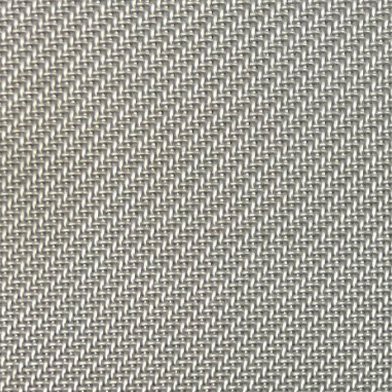
In the industrial world, spiral mesh belts play a crucial role in various applications, from food processing to manufacturing. As a supplier of spiral mesh belts, I've witnessed firsthand the diverse needs of different industries and the importance of understanding the differences between various types of these belts. In this blog, I'll delve into the distinctions between different types of spiral mesh belts, helping you make an informed decision for your specific requirements.
1. Material Composition
One of the primary factors that differentiate spiral mesh belts is the material they are made of. The most common materials include stainless steel, carbon steel, and other alloys.
Stainless Steel Mesh Belt
Stainless steel is a popular choice for spiral mesh belts due to its excellent corrosion resistance, high strength, and hygiene properties. Stainless Steel Mesh Belt is particularly suitable for applications in the food and pharmaceutical industries, where cleanliness and durability are essential. It can withstand high temperatures and harsh chemical environments, making it a reliable option for long - term use.
Carbon Steel Mesh Belt
Carbon steel is known for its high strength and relatively low cost. Steel Mesh Belt made of carbon steel is often used in applications where high - temperature resistance is not a major concern. However, carbon steel is more prone to corrosion compared to stainless steel. Therefore, it may require additional protective coatings or treatments to prevent rusting.
Other Alloys
Some specialized applications may call for spiral mesh belts made of other alloys, such as nickel - based alloys or titanium. These alloys offer unique properties, such as high heat resistance, low thermal expansion, and excellent chemical stability. They are typically used in high - end applications, such as aerospace and advanced manufacturing.
2. Spiral Design
The spiral design of the mesh belt is another key factor that affects its performance and suitability for different applications.


Single - Start Spiral Belt
A single - start spiral belt has one continuous spiral strand. This design provides a relatively simple and straightforward structure, which is easy to manufacture and maintain. It is commonly used in applications where a smooth and consistent conveyance is required, such as in light - duty food processing or small - scale manufacturing.
Multi - Start Spiral Belt
Multi - start spiral belts have multiple spiral strands running parallel to each other. This design increases the belt's strength and load - carrying capacity. It is often used in heavy - duty applications, such as in large - scale manufacturing and high - volume material handling. The multi - start design also allows for better distribution of the load, reducing the stress on individual strands and extending the belt's lifespan.
Balanced Spiral Belt
Balanced spiral belts are designed to minimize the lateral movement of the belt during operation. They are particularly useful in applications where precise positioning and alignment are critical, such as in automated production lines. The balanced design ensures that the belt runs smoothly and evenly, reducing the risk of jams and misalignments.
3. Mesh Pattern
The mesh pattern of a spiral mesh belt can significantly impact its performance and functionality.
Square Mesh Pattern
The square mesh pattern is one of the most common patterns used in spiral mesh belts. It provides a uniform and open structure, allowing for good airflow and drainage. This pattern is suitable for applications where ventilation and liquid drainage are important, such as in drying and cooling processes.
Diamond Mesh Pattern
The diamond mesh pattern offers a more flexible and elastic structure compared to the square mesh pattern. It is often used in applications where the belt needs to conform to irregular shapes or surfaces. The diamond mesh pattern also provides better flexibility and stretchability, making it suitable for applications that require frequent bending or twisting.
Herringbone Mesh Pattern
The herringbone mesh pattern is characterized by a zig - zag or V - shaped pattern. This pattern provides excellent strength and stability, making it suitable for heavy - duty applications. The herringbone pattern also offers good traction, which is beneficial in applications where the belt needs to move materials up or down an incline.
4. Application - Specific Features
Different industries have specific requirements for spiral mesh belts, and manufacturers often design belts with application - specific features.
Food Industry
In the food industry, hygiene is of utmost importance. Spiral mesh belts used in food processing are typically made of stainless steel and have a smooth surface to prevent the accumulation of food particles. They may also be designed with easy - to - clean features, such as removable sections or open - mesh patterns that allow for thorough cleaning.
Heat Treatment Industry
In the heat treatment industry, spiral mesh belts need to withstand high temperatures. They are often made of high - temperature alloys and have a special heat - resistant coating. The belt's design may also be optimized for efficient heat transfer, ensuring uniform heating and cooling of the materials being processed.
Mining and Aggregate Industry
In the mining and aggregate industry, spiral mesh belts are used for transporting heavy and abrasive materials. They need to be highly durable and resistant to wear and tear. Belts used in this industry may have a thick and robust structure, as well as a special surface treatment to enhance their abrasion resistance.
5. Choosing the Right Spiral Mesh Belt
When choosing a spiral mesh belt for your application, several factors need to be considered:
Application Requirements
Understand the specific requirements of your application, such as the type of material to be conveyed, the operating temperature, the load capacity, and the required speed. This will help you determine the most suitable material, design, and mesh pattern for your belt.
Environmental Conditions
Consider the environmental conditions in which the belt will operate, such as humidity, chemical exposure, and dust. These factors can affect the belt's performance and lifespan, so it's important to choose a belt that is resistant to these conditions.
Cost - Effectiveness
While it's important to choose a high - quality belt that meets your requirements, it's also necessary to consider the cost - effectiveness. Compare the prices of different belts and evaluate their performance and durability to find the best value for your money.
As a supplier of Spiral Mesh Belt, I understand the importance of providing the right solution for your specific needs. If you have any questions or need assistance in choosing the appropriate spiral mesh belt for your application, please feel free to contact us. We are here to help you make the best decision and ensure the smooth operation of your production process.
References
- Industrial Belt Handbook. [Publisher name], [Year of publication].
- Journal of Material Science and Engineering. Various issues related to mesh belt materials and design.