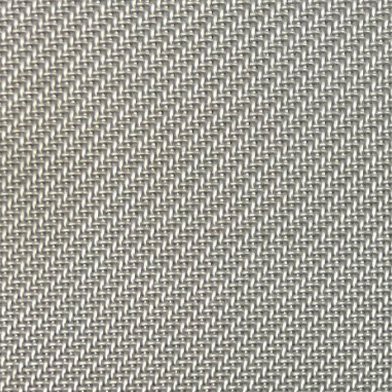
In the industrial landscape, steel mesh belts play a crucial role in a wide range of applications, from food processing to automotive manufacturing. As a steel mesh belt supplier, I understand the importance of optimizing the performance of these belts to ensure smooth operations and maximum efficiency. In this blog post, I will share some valuable insights and strategies on how to optimize the performance of a steel mesh belt.
Understanding the Basics of Steel Mesh Belts
Before delving into optimization techniques, it's essential to have a solid understanding of steel mesh belts. These belts are made up of interconnected wires that form a mesh pattern, providing a flexible and durable surface for conveying various materials. They come in different types, including Stainless Steel Mesh Belt, Flat Wire Mesh Belt, and Spiral Mesh Belt, each with its own unique characteristics and applications.
Selecting the Right Steel Mesh Belt
The first step in optimizing the performance of a steel mesh belt is to select the right type for your specific application. Consider factors such as the material being conveyed, the operating environment, and the required load capacity. For example, if you're working in a food processing environment, a stainless steel mesh belt would be a suitable choice due to its corrosion resistance and hygienic properties. On the other hand, if you need to convey heavy loads, a flat wire mesh belt or a spiral mesh belt might be more appropriate.
Proper Installation and Alignment
Once you've selected the right steel mesh belt, proper installation and alignment are crucial for optimal performance. Make sure the belt is installed correctly, with the correct tension and alignment. Improper installation can lead to premature wear, belt tracking issues, and reduced efficiency. Follow the manufacturer's guidelines for installation and use the appropriate tools and equipment to ensure a proper fit.
Regular Maintenance and Inspection
Regular maintenance and inspection are essential for keeping your steel mesh belt in top condition. This includes cleaning the belt regularly to remove any debris or contaminants that could affect its performance. Inspect the belt for signs of wear, damage, or misalignment, and replace any worn or damaged parts as needed. Lubrication is also important to reduce friction and extend the life of the belt.
Monitoring and Adjusting Tension
Maintaining the correct tension is crucial for the performance of a steel mesh belt. Too much tension can cause excessive wear and tear, while too little tension can lead to belt slippage and reduced efficiency. Use a tension gauge to monitor the tension regularly and adjust it as needed. This will help ensure that the belt operates smoothly and efficiently.
Controlling the Operating Environment
The operating environment can have a significant impact on the performance of a steel mesh belt. Factors such as temperature, humidity, and the presence of chemicals or abrasive materials can affect the belt's durability and performance. Take steps to control the operating environment, such as using proper ventilation, temperature control, and protective coatings. This will help extend the life of the belt and reduce the risk of damage.
Training and Education
Proper training and education are essential for optimizing the performance of a steel mesh belt. Make sure your employees are trained on how to operate and maintain the belt correctly. Provide them with the necessary tools and resources to perform their jobs effectively. This will help ensure that the belt is used safely and efficiently, reducing the risk of downtime and costly repairs.
Working with a Reliable Supplier
Finally, working with a reliable steel mesh belt supplier is crucial for optimizing the performance of your belt. A reputable supplier will provide you with high-quality belts, expert advice, and excellent customer service. They will also be able to help you select the right belt for your specific application and provide ongoing support and maintenance.
In conclusion, optimizing the performance of a steel mesh belt requires a combination of proper selection, installation, maintenance, and monitoring. By following these strategies, you can ensure that your steel mesh belt operates smoothly and efficiently, reducing downtime and increasing productivity. If you're interested in learning more about steel mesh belts or need help selecting the right belt for your application, please don't hesitate to contact us. We're here to help you find the best solution for your needs.


References
- "Steel Mesh Belt Handbook," published by the Industrial Conveyor Belt Association.
- "Optimizing Conveyor Belt Performance," an article in the Journal of Industrial Engineering.
- "Best Practices for Steel Mesh Belt Maintenance," a white paper by a leading steel mesh belt manufacturer.