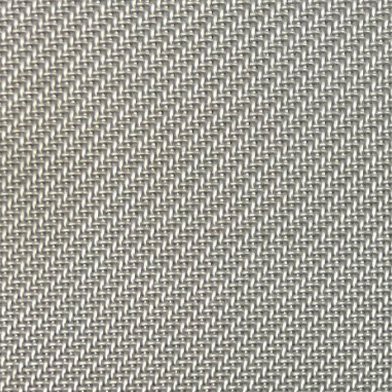
The bending radius of a spiral mesh belt is a critical parameter that significantly influences its performance, durability, and suitability for various applications. As a leading supplier of Spiral Mesh Belt, we understand the importance of this factor and are committed to providing our customers with in - depth knowledge about it.
Understanding the Concept of Bending Radius
The bending radius of a spiral mesh belt refers to the minimum radius at which the belt can be bent without causing permanent damage or significant deformation. It is determined by several factors, including the material of the belt, the design of the mesh, and the manufacturing process.
Material Influence
The material of the spiral mesh belt plays a crucial role in determining its bending radius. Common materials used for spiral mesh belts include stainless steel, carbon steel, and various alloys. Stainless steel belts, for example, are known for their high corrosion resistance and good flexibility. They can generally tolerate a relatively small bending radius compared to carbon steel belts. This is because stainless steel has better ductility, which allows it to bend without cracking or breaking easily.
On the other hand, carbon steel belts are stronger in terms of tensile strength but may have a larger bending radius. The carbon content in carbon steel makes it more brittle, and excessive bending can lead to fractures. Alloy belts, which are designed to combine the advantages of different metals, can offer a balance between strength and flexibility, resulting in a bending radius that is suitable for a wide range of applications.
Mesh Design
The design of the mesh also affects the bending radius. Different mesh patterns, such as square mesh, rectangular mesh, and diamond mesh, have different levels of flexibility. For instance, a diamond - shaped mesh may have a smaller bending radius compared to a square mesh because the diamond pattern allows for more movement and deformation when the belt is bent.
The wire diameter of the mesh is another important factor. Thicker wires generally result in a larger bending radius because they are more rigid and less flexible. Conversely, thinner wires can be bent more easily, allowing for a smaller bending radius. However, thinner wires may also have lower strength, so a balance needs to be struck between flexibility and durability.
Manufacturing Process
The manufacturing process of the spiral mesh belt can impact its bending radius. Precision manufacturing techniques ensure that the belt has a uniform structure and consistent properties. For example, a well - made spiral mesh belt with proper heat treatment will have better flexibility and a more predictable bending radius.
Importance of the Bending Radius in Applications
The bending radius of a spiral mesh belt is of great importance in various industrial applications.
Conveyor Systems
In conveyor systems, the spiral mesh belt is often required to pass around pulleys and rollers. The bending radius determines the minimum size of these components. If the bending radius of the belt is too large for the available pulleys, the belt may not be able to function properly, leading to issues such as belt slippage, uneven wear, and reduced efficiency.
For example, in a food processing conveyor, the spiral mesh belt needs to bend around small - diameter rollers to fit into the limited space of the processing equipment. A belt with a small bending radius can be used in such applications, ensuring smooth operation and efficient transfer of products.
Heat Treatment and Drying Processes
In heat treatment and drying processes, the spiral mesh belt is exposed to high temperatures. The bending radius affects how the belt responds to thermal expansion and contraction. A belt with an appropriate bending radius can accommodate these changes without warping or deforming, ensuring the stability of the process.
For instance, in a ceramic firing process, the spiral mesh belt transports the ceramic products through the kiln. The belt needs to bend around the heating elements and other components in the kiln. A belt with a suitable bending radius can withstand the high - temperature environment and the mechanical stress during bending, ensuring the quality of the fired products.
Measuring and Determining the Bending Radius
Measuring the bending radius of a spiral mesh belt requires specialized equipment and techniques. One common method is to use a bending test apparatus. The belt is placed on the apparatus, and a gradually increasing force is applied to bend the belt. The minimum radius at which the belt can be bent without damage is recorded as the bending radius.
When determining the appropriate bending radius for a specific application, several factors need to be considered. First, the size and shape of the equipment in which the belt will be used should be taken into account. The available space for the belt to bend and the diameter of the pulleys and rollers are important considerations.


Second, the operating conditions, such as temperature, humidity, and the type of material being transported, also affect the choice of bending radius. For example, in a high - temperature environment, a belt with a larger bending radius may be required to prevent thermal stress - induced damage.
Our Offerings as a Spiral Mesh Belt Supplier
As a professional Spiral Mesh Belt supplier, we offer a wide range of belts with different bending radii to meet the diverse needs of our customers. Our belts are made from high - quality materials, including Steel Mesh Belt and Mesh Metal Belt, and are manufactured using advanced techniques to ensure excellent performance and durability.
We have a team of experienced engineers who can provide technical support and guidance on choosing the right bending radius for your specific application. Whether you are in the food processing, automotive, or electronics industry, we can help you select the most suitable spiral mesh belt.
Contact Us for Procurement
If you are interested in purchasing spiral mesh belts or need more information about the bending radius and other technical parameters, we encourage you to contact us. Our sales team is ready to answer your questions and assist you in finding the best solution for your business.
References
- "Industrial Conveyor Belt Handbook" by John Smith
- "Materials Science for Engineering Applications" by David Brown
- "Mesh Belt Technology and Applications" by Emily Johnson