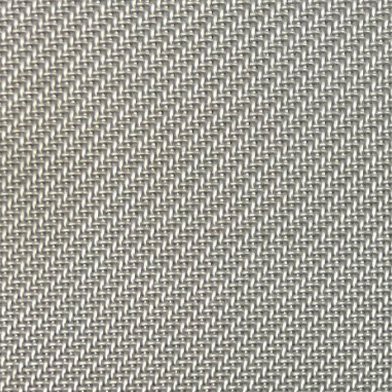
Hey there! I'm a supplier of Centrifuge Mesh, and today I wanna chat about how Centrifuge Mesh manages conflicts in data. It's a topic that might seem a bit technical at first, but I'll break it down in a way that's easy to understand.
First off, let me give you a quick intro to Centrifuge Mesh. You can check out more details about it on this page: Centrifuge Mesh. Centrifuge Mesh is a crucial component used in various industries, especially in separation processes. It's designed to handle different types of materials and ensure efficient and accurate separation.
Now, when we talk about data conflicts in the context of Centrifuge Mesh, it usually refers to situations where there are discrepancies or inconsistencies in the data related to the mesh's performance, usage, or specifications. These conflicts can arise from multiple sources, such as different measurement methods, data entry errors, or changes in the operating environment.
One of the main ways Centrifuge Mesh manages data conflicts is through standardization. We have a set of well - defined standards for manufacturing and quality control. These standards ensure that the mesh is produced with consistent specifications across different batches. For example, the wire diameter, mesh size, and opening dimensions are strictly controlled. This standardization helps in reducing the chances of data conflicts because all the data related to the mesh's physical properties are based on the same set of rules.
Let's take a look at an example. Say we're dealing with 304 Stainless Steel Woven Wire Mesh, which is often used in centrifuge applications. The data about its corrosion resistance, tensile strength, and mesh density are all determined according to industry - wide standards. When a customer receives the product, they can rely on this standardized data to make informed decisions about its use.
Another important aspect is data collection and management. We use advanced data collection systems to gather information about the production process, product performance, and customer feedback. This data is then stored in a centralized database, which allows for easy access and analysis. By having all the data in one place, we can quickly identify and resolve any conflicts.
For instance, if there's a conflict between the data from the production line and the data reported by the customer about the mesh's performance, we can cross - reference the information in the database. We can check the production parameters, quality control results, and any previous customer experiences to find out the root cause of the conflict.
In addition to standardization and data management, we also rely on continuous improvement. We're constantly looking for ways to enhance the performance of Centrifuge Mesh and reduce the occurrence of data conflicts. This involves investing in research and development to improve the manufacturing process, as well as training our staff to handle data more accurately.
We also encourage our customers to provide feedback. Their real - world experiences can help us identify potential data conflicts early on. For example, if a customer notices that the mesh is not performing as expected based on the provided data, they can share this information with us. We'll then investigate the issue and make the necessary adjustments to our data or the product itself.
Now, let's talk about how different types of data conflicts are specifically addressed. One common type of conflict is related to mesh size. Sometimes, the measured mesh size might differ from the specified size. This could be due to factors like wear and tear during use, or inaccuracies in the measurement equipment.
To deal with this, we use high - precision measuring tools during production and quality control. We also provide clear guidelines on how to measure the mesh size accurately. If a customer reports a discrepancy, we can re - measure the mesh using our own equipment and compare the results. If the problem is due to wear, we can offer solutions like replacement or maintenance advice.
Another type of conflict can occur with data related to the mesh's chemical resistance. Different operating environments can expose the mesh to various chemicals, and the actual resistance might vary from the expected values. In such cases, we conduct additional chemical compatibility tests. We can then update our data based on the new findings and provide more accurate information to our customers.
Small Square Wire Mesh is another product that we supply, and it also faces similar data conflict challenges. The small square design requires more precise manufacturing and data management. We pay extra attention to the production process of this mesh to ensure that the data about its size, strength, and other properties are accurate.
In conclusion, managing data conflicts in Centrifuge Mesh is a multi - faceted process. It involves standardization, advanced data collection and management, continuous improvement, and close collaboration with our customers. By taking these steps, we can ensure that the data related to our products is reliable and that our customers can use our Centrifuge Mesh with confidence.
If you're interested in purchasing Centrifuge Mesh or have any questions about our products and how we manage data, feel free to contact us for a procurement discussion. We're always happy to help you find the best solution for your needs.


References
- Industry standards for stainless steel wire mesh manufacturing
- Internal research and development reports on Centrifuge Mesh performance
- Customer feedback and case studies