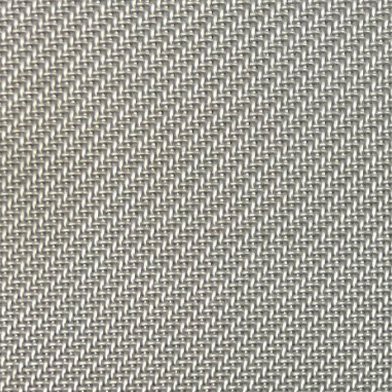
Hey there! As a supplier of woven wire mesh filters, I often get asked about the maximum pressure these filters can withstand. It's a crucial question, especially for industries where high-pressure applications are the norm. In this blog, I'll break down the factors that determine the pressure resistance of woven wire mesh filters and give you a better understanding of what to expect.
Understanding Woven Wire Mesh Filters
Before we dive into the pressure resistance, let's quickly go over what woven wire mesh filters are. These filters are made by weaving wires together to form a mesh pattern. The wires can be made from various materials, such as stainless steel, brass, or aluminum, each with its own set of properties.
The mesh size, or the number of openings per linear inch, also plays a significant role in the filter's performance. A finer mesh will have more openings, which can provide better filtration but may also restrict the flow of fluid or gas. On the other hand, a coarser mesh will allow for greater flow but may not filter out smaller particles as effectively.


Factors Affecting Pressure Resistance
Now, let's talk about the factors that determine the maximum pressure a woven wire mesh filter can withstand.
Material Strength
The material used to make the wire mesh is one of the most important factors. Stainless steel, for example, is known for its high strength and corrosion resistance, making it a popular choice for high-pressure applications. Brass and aluminum are also commonly used, but they may not be as strong as stainless steel.
Wire Diameter
The diameter of the wires used in the mesh also affects its pressure resistance. Thicker wires can generally withstand more pressure than thinner wires. However, using thicker wires may also reduce the mesh's porosity, which can affect its filtration efficiency.
Mesh Pattern
The pattern in which the wires are woven can also impact the filter's pressure resistance. Some patterns, such as plain weave, are more common and offer good overall performance. Other patterns, like twill weave or Dutch weave, may provide better strength and filtration in certain applications.
Filter Design
The design of the filter, including its shape and size, can also affect its pressure resistance. For example, a filter with a larger surface area may be able to withstand more pressure than a smaller filter. Additionally, the way the filter is supported and installed can also impact its performance.
Calculating the Maximum Pressure
Determining the exact maximum pressure a woven wire mesh filter can withstand is not always straightforward. It depends on a variety of factors, as mentioned above, and may require some testing and analysis.
In general, manufacturers will provide specifications for their filters, including the maximum pressure they can handle. These specifications are typically based on laboratory testing and may not reflect real-world conditions.
To get a more accurate estimate of the maximum pressure your filter can withstand, it's a good idea to consult with the manufacturer or a qualified engineer. They can take into account the specific requirements of your application and provide recommendations based on their expertise.
Applications and Examples
Woven wire mesh filters are used in a wide range of industries, including oil and gas, chemical processing, food and beverage, and pharmaceuticals. Here are some examples of high-pressure applications where these filters are commonly used:
Oil and Gas Industry
In the oil and gas industry, woven wire mesh filters are used to separate solids from liquids and gases. They are often installed in pipelines, refineries, and offshore platforms to protect equipment and ensure the quality of the products.
For example, in a high-pressure oil well, a woven wire mesh filter may be used to remove sand and other particles from the oil before it is pumped to the surface. The filter needs to be able to withstand the high pressure of the well while still providing effective filtration.
Chemical Processing
In chemical processing plants, woven wire mesh filters are used to filter chemicals, solvents, and other liquids. They are often used in applications where high purity is required, such as in the production of pharmaceuticals or semiconductors.
For example, in a chemical reactor, a woven wire mesh filter may be used to remove impurities from the reaction mixture. The filter needs to be able to withstand the high pressure and temperature of the reaction while still providing effective filtration.
Food and Beverage Industry
In the food and beverage industry, woven wire mesh filters are used to filter liquids, such as juices, wines, and beers. They are often used in applications where the quality and safety of the products are critical, such as in the production of dairy products or baby food.
For example, in a juice processing plant, a woven wire mesh filter may be used to remove pulp and other solids from the juice. The filter needs to be able to withstand the high pressure of the processing equipment while still providing effective filtration.
Our Products
As a supplier of woven wire mesh filters, we offer a wide range of products to meet the needs of different industries. Our filters are made from high-quality materials and are designed to provide reliable performance in high-pressure applications.
Some of our popular products include Sanding Mesh Discs, Heat Treat Furnace Baskets, and Fine Stainless Steel Mesh Sheet. These products are available in a variety of sizes and mesh patterns to suit your specific requirements.
Contact Us
If you're interested in learning more about our woven wire mesh filters or have any questions about their pressure resistance, please don't hesitate to contact us. We have a team of experts who can provide you with the information and support you need to make the right choice for your application.
Whether you're looking for a filter for a high-pressure oil well, a chemical processing plant, or a food and beverage production facility, we can help. We offer competitive prices, fast delivery, and excellent customer service.
So, if you're in the market for a woven wire mesh filter, give us a call or send us an email today. We look forward to hearing from you!
References
- Wire Mesh Manufacturing Handbook, 2nd Edition
- Filtration and Separation Technology Handbook
- Pressure Vessel Design and Analysis