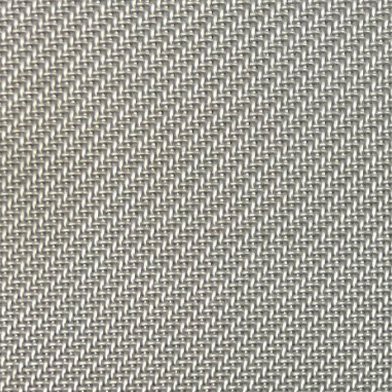
As a supplier of Micron Filter Screens, I've witnessed firsthand the critical role that micron rating plays in the performance of these essential components. In this blog, I'll delve into the science behind micron ratings and how they impact the functionality of Micron Filter Screens.
Understanding Micron Rating
The micron rating of a filter screen refers to the size of the particles that the screen can effectively capture. It is a measure of the smallest particle diameter that the screen can retain. For example, a filter screen with a 10-micron rating can trap particles that are 10 microns or larger in size. The lower the micron rating, the finer the filtration, and the smaller the particles that can be removed from the fluid or gas passing through the screen.
Impact on Filtration Efficiency
One of the most significant ways that micron rating affects the performance of a Micron Filter Screen is through its impact on filtration efficiency. A filter screen with a lower micron rating will have a higher filtration efficiency, meaning it can remove a greater percentage of particles from the fluid or gas. This is because the smaller the pore size of the screen, the more effectively it can capture smaller particles.
For instance, in a water filtration system, a 5-micron filter screen will be more efficient at removing sediment, dirt, and other particulate matter than a 20-micron filter screen. The 5-micron screen will trap smaller particles, resulting in cleaner water. However, it's important to note that as the micron rating decreases, the flow rate through the filter screen may also decrease. This is because the smaller pores create more resistance to the flow of fluid or gas.
Flow Rate and Pressure Drop
The micron rating of a filter screen also has a direct impact on the flow rate and pressure drop across the screen. As mentioned earlier, a lower micron rating means smaller pores, which can restrict the flow of fluid or gas through the screen. This results in a higher pressure drop, which is the difference in pressure between the inlet and outlet of the filter screen.
A high pressure drop can have several negative effects on the performance of a filtration system. It can reduce the flow rate of the fluid or gas, which may affect the overall efficiency of the system. Additionally, a high pressure drop can increase the energy consumption of the system, as more power is required to push the fluid or gas through the filter screen.
To mitigate the impact of pressure drop, it's important to select a filter screen with an appropriate micron rating for the specific application. In some cases, a higher micron rating may be sufficient to achieve the desired level of filtration while maintaining an acceptable flow rate and pressure drop.
Particle Retention and Contaminant Removal
The micron rating of a filter screen determines the size of the particles that can be retained by the screen. This is crucial for applications where the removal of specific contaminants is required. For example, in a pharmaceutical manufacturing process, a filter screen with a very low micron rating may be necessary to remove bacteria and other microorganisms from the product.


In addition to particle size, the shape and density of the particles can also affect the performance of a filter screen. Some particles may be more easily trapped by the screen, while others may be more likely to pass through. Therefore, it's important to consider the characteristics of the particles being filtered when selecting a filter screen.
Compatibility with Different Fluids and Gases
Another important factor to consider when selecting a Micron Filter Screen is its compatibility with the fluid or gas being filtered. Different materials and coatings can be used to enhance the compatibility of the filter screen with specific fluids or gases. For example, a filter screen made of Stainless Steel Vibrating Screen Mesh may be suitable for filtering corrosive fluids, while a screen made of Steel Crimped Wire Mesh may be more appropriate for filtering high-temperature gases.
The micron rating of the filter screen can also affect its compatibility with different fluids and gases. A filter screen with a very low micron rating may be more prone to clogging when filtering fluids or gases with a high concentration of particles. Therefore, it's important to select a filter screen with an appropriate micron rating and material to ensure optimal performance and longevity.
Applications of Micron Filter Screens
Micron Filter Screens are used in a wide range of applications, including water treatment, air filtration, food and beverage processing, pharmaceutical manufacturing, and industrial processes. The specific micron rating required for each application depends on the nature of the contaminants being filtered and the desired level of filtration.
In water treatment applications, filter screens with micron ratings ranging from 1 to 100 microns are commonly used to remove sediment, dirt, and other particulate matter from the water. In air filtration systems, filter screens with micron ratings as low as 0.3 microns are used to remove dust, pollen, and other airborne particles.
In the food and beverage industry, filter screens are used to remove impurities and contaminants from liquids and gases. For example, a filter screen with a 5-micron rating may be used to filter fruit juices to remove pulp and other solids. In pharmaceutical manufacturing, filter screens with very low micron ratings are used to remove bacteria and other microorganisms from the product.
Selecting the Right Micron Rating
Selecting the right micron rating for a Micron Filter Screen is crucial for achieving optimal performance and efficiency. Here are some factors to consider when making this decision:
- Nature of the contaminants: The size, shape, and density of the particles being filtered will determine the appropriate micron rating. For example, if you are filtering water with a high concentration of sediment, a filter screen with a higher micron rating may be sufficient. However, if you are filtering a liquid or gas with very small particles, a filter screen with a lower micron rating will be required.
- Desired level of filtration: The level of filtration required will depend on the specific application. For example, in a pharmaceutical manufacturing process, a very high level of filtration may be required to ensure the purity of the product. In this case, a filter screen with a very low micron rating will be necessary.
- Flow rate and pressure drop: As mentioned earlier, the micron rating of a filter screen can affect the flow rate and pressure drop across the screen. It's important to select a filter screen with an appropriate micron rating to ensure that the flow rate is sufficient for the application and that the pressure drop is within acceptable limits.
- Compatibility with the fluid or gas: The filter screen must be compatible with the fluid or gas being filtered. This includes considering the chemical properties of the fluid or gas, as well as the temperature and pressure conditions.
Conclusion
In conclusion, the micron rating of a Micron Filter Screen plays a crucial role in its performance. It determines the size of the particles that can be captured, the filtration efficiency, the flow rate, and the pressure drop across the screen. By understanding the impact of micron rating on the performance of a filter screen, you can select the right screen for your specific application and ensure optimal performance and efficiency.
If you're in the market for a Micron Filter Screen, I encourage you to contact us to discuss your specific requirements. Our team of experts can help you select the right screen with the appropriate micron rating and material to meet your needs. We offer a wide range of 316L Stainless Steel Mesh and other high-quality filter screens that are designed to provide reliable and efficient filtration.
References
- "Filtration Basics," Filtration + Separation, https://www.filtrationandseparation.com/filtration-basics
- "Micron Rating: What It Means and Why It Matters," Pure Water Products, https://www.purewaterproducts.com/micron-rating-what-it-means-and-why-it-matters
- "Selecting the Right Filter for Your Application," Pall Corporation, https://www.pall.com/content/dam/pall/corporate/en/documents/technical-documents/selecting-the-right-filter-for-your-application.pdf