Hey there! As a screen mesh supplier, I've gotten a ton of questions about how screen mesh resists corrosion. It's a super important topic, especially for folks who use screen mesh in harsh environments. So, let's dive right in and explore the ins and outs of corrosion resistance in screen mesh.
What is Corrosion?
First things first, let's talk about what corrosion actually is. Corrosion is basically the deterioration of a material, usually a metal, due to a chemical reaction with its environment. This can happen when metals are exposed to things like moisture, oxygen, or certain chemicals. When screen mesh corrodes, it can lose its strength and functionality, which is obviously not good news for anyone using it.
How Screen Mesh Resists Corrosion
There are a few different ways that screen mesh can resist corrosion. One of the most common methods is by using materials that are naturally resistant to corrosion. For example, stainless steel is a popular choice for screen mesh because it contains chromium, which forms a thin, protective layer on the surface of the metal. This layer helps to prevent oxygen and moisture from reaching the metal, which in turn reduces the risk of corrosion.
Another way that screen mesh can resist corrosion is through the use of coatings. There are a variety of coatings available that can be applied to screen mesh to provide an extra layer of protection. Some coatings are designed to be resistant to specific chemicals or environments, while others are more general-purpose. For example, a zinc coating can provide good protection against rust, while a polymer coating can offer resistance to abrasion and chemicals.
The design of the screen mesh can also play a role in its corrosion resistance. For example, mesh with a tight weave can help to prevent moisture and other corrosive substances from penetrating the mesh. Additionally, the shape and size of the mesh openings can affect how well the mesh resists corrosion. Mesh with smaller openings is generally more resistant to corrosion than mesh with larger openings, as it provides less surface area for corrosive substances to come into contact with.
Types of Screen Mesh and Their Corrosion Resistance
Now, let's take a look at some of the different types of screen mesh and how they resist corrosion.
Micron Filter Screen
The Micron Filter Screen is a type of screen mesh that is commonly used in filtration applications. It is typically made from stainless steel, which gives it good corrosion resistance. The fine mesh of the micron filter screen helps to trap small particles, while the stainless steel construction ensures that the screen can withstand the harsh conditions often found in filtration systems.


SS Woven Wire Mesh
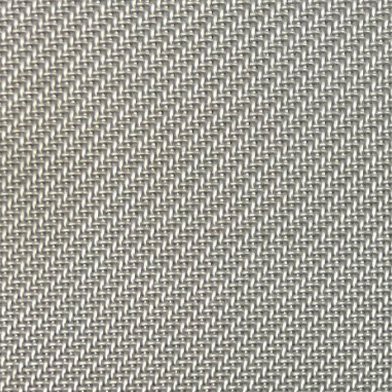
SS Woven Wire Mesh is another popular type of screen mesh. It is made by weaving stainless steel wires together to form a mesh pattern. The woven structure of the mesh provides good strength and durability, while the stainless steel material offers excellent corrosion resistance. SS woven wire mesh is used in a wide range of applications, including industrial filtration, sieving, and security fencing.
Small Square Wire Mesh
Small Square Wire Mesh is a type of screen mesh that has small square openings. It is often used in applications where a fine mesh is required, such as in insect screens or as a support for other materials. Like the other types of screen mesh mentioned above, small square wire mesh is typically made from stainless steel, which gives it good corrosion resistance.
Factors Affecting Corrosion Resistance
While screen mesh can be designed to resist corrosion, there are several factors that can affect its performance. One of the most important factors is the environment in which the screen mesh is used. For example, screen mesh used in a marine environment will be exposed to saltwater, which is highly corrosive. In this case, a screen mesh with a high level of corrosion resistance will be necessary.
The type of chemicals or substances that the screen mesh comes into contact with can also affect its corrosion resistance. For example, screen mesh used in a chemical processing plant may be exposed to strong acids or bases, which can cause corrosion. In these situations, a screen mesh with a coating or material that is resistant to these chemicals will be required.
The maintenance and cleaning of the screen mesh can also play a role in its corrosion resistance. Regular cleaning can help to remove any dirt, debris, or corrosive substances that may have accumulated on the surface of the mesh. Additionally, proper storage of the screen mesh when it is not in use can help to prevent corrosion.
Conclusion
In conclusion, screen mesh can resist corrosion through a combination of materials, coatings, and design. Stainless steel is a popular choice for screen mesh due to its natural corrosion resistance, while coatings can provide an extra layer of protection. The design of the mesh, including the weave and the size of the openings, can also affect its corrosion resistance.
If you're in the market for screen mesh and want to ensure that it has good corrosion resistance, it's important to consider the environment in which it will be used, the type of chemicals it will come into contact with, and the maintenance requirements. As a screen mesh supplier, I'm here to help you find the right screen mesh for your needs. Whether you need a Micron Filter Screen, SS Woven Wire Mesh, or Small Square Wire Mesh, I can provide you with high-quality products and expert advice.
If you have any questions or would like to discuss your screen mesh requirements, please don't hesitate to reach out. Let's work together to find the perfect screen mesh solution for your project.
References
- Metals Handbook: Properties and Selection: Irons, Steels, and High-Performance Alloys. ASM International.
- Corrosion Basics: An Introduction. NACE International.