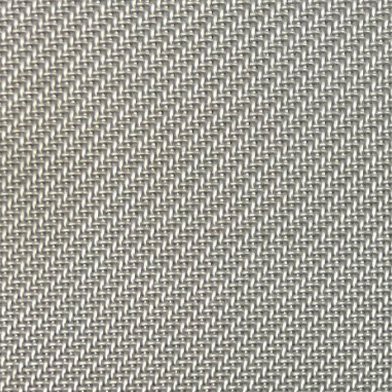
In the mining industry, the selection of appropriate equipment is crucial for ensuring efficient and safe operations. One such piece of equipment that often comes into consideration is the spiral mesh belt. As a supplier of spiral mesh belts, I am frequently asked whether these belts can be effectively used in mining applications. In this blog post, I will explore the suitability of spiral mesh belts for mining, examining their features, advantages, and potential limitations.
Features of Spiral Mesh Belts
Spiral mesh belts are constructed from high - strength wires that are woven or welded into a spiral pattern. This unique design offers several notable features. Firstly, they have excellent flexibility. The spiral structure allows the belt to bend easily around pulleys and rollers, which is essential for the conveyor systems commonly used in mining. This flexibility enables the belt to navigate complex conveyor routes, including curves and inclines, without significant loss of performance.
Secondly, spiral mesh belts are highly durable. The materials used in their construction, such as stainless steel or carbon steel, are resistant to wear, corrosion, and high temperatures. In mining environments, where belts are often exposed to abrasive materials, harsh chemicals, and extreme temperatures, this durability is a key advantage. For example, in coal mining, the belt may come into contact with coal dust, which can be highly abrasive. A well - made spiral mesh belt can withstand this abrasion and maintain its integrity over a long period.
Another important feature is the open mesh design. This design allows for efficient drainage and ventilation. In mining operations where water or other fluids are present, the open mesh helps to prevent the accumulation of liquid on the belt surface, reducing the risk of slippage and improving the overall safety of the conveyor system. Additionally, the ventilation provided by the open mesh can help to dissipate heat generated during the conveying process, which is especially important in high - temperature mining environments.
Advantages of Using Spiral Mesh Belts in Mining
1. Material Handling Efficiency
Mining operations involve the transportation of large volumes of materials, such as ores, coal, and rocks. Spiral mesh belts can handle these materials effectively due to their high load - bearing capacity. The strong wire construction of the belt can support heavy loads without deformation, ensuring a smooth and continuous flow of materials along the conveyor system. This efficiency in material handling can significantly increase the productivity of mining operations.


2. Versatility
Spiral mesh belts can be customized to meet the specific requirements of different mining applications. For example, they can be made with different wire diameters, mesh sizes, and belt widths to accommodate various types of materials and conveyor configurations. Whether it is a small - scale mining operation or a large - scale industrial mine, there is a spiral mesh belt that can be tailored to the needs of the operation.
3. Ease of Maintenance
Compared to some other types of conveyor belts, spiral mesh belts are relatively easy to maintain. The open mesh design allows for easy access to the belt surface, making it simple to clean and inspect for any signs of damage. In addition, individual sections of the belt can be easily replaced if they become worn or damaged, minimizing downtime and reducing maintenance costs.
Potential Limitations
While spiral mesh belts offer many advantages for mining applications, they also have some potential limitations. One of the main limitations is the initial cost. High - quality spiral mesh belts can be more expensive than some other types of conveyor belts. However, it is important to consider the long - term benefits, such as durability and reduced maintenance costs, which can offset the initial investment.
Another potential limitation is the susceptibility to clogging. In mining operations where the materials being conveyed contain fine particles or sticky substances, there is a risk of these particles getting trapped in the mesh. This can reduce the efficiency of the belt and may require more frequent cleaning. However, proper design and selection of the mesh size can help to minimize this problem.
Comparison with Other Mesh Belts
In addition to spiral mesh belts, there are other types of mesh belts commonly used in industrial applications, such as Chain Mesh Belt, Steel Mesh Belt, and Mesh Metal Belt. Each type of belt has its own characteristics.
Chain mesh belts are known for their high strength and ability to handle heavy loads. They are often used in applications where a high degree of rigidity is required. However, they may be less flexible than spiral mesh belts and may not be as suitable for conveyor systems with complex curves.
Steel mesh belts are similar to spiral mesh belts in terms of material and durability. However, their construction may be different, and they may not offer the same level of flexibility and drainage as spiral mesh belts.
Mesh metal belts are a general term that can include various types of metal - based mesh belts. The specific performance of a mesh metal belt depends on its design and construction. Some mesh metal belts may be more suitable for certain mining applications than others, but spiral mesh belts offer a good balance of flexibility, durability, and efficiency.
Real - World Examples
There are many real - world examples of spiral mesh belts being used successfully in mining applications. In a gold mining operation, a spiral mesh belt was used to transport crushed ore from the mining site to the processing plant. The belt's durability allowed it to withstand the abrasive nature of the ore, and its flexibility enabled it to navigate the conveyor system's curves and inclines. This resulted in a significant improvement in the efficiency of the ore transportation process.
In a coal mining operation, a spiral mesh belt was installed in a coal washing plant. The open mesh design of the belt allowed for efficient drainage of water used in the washing process, reducing the risk of slippage and improving the overall safety of the conveyor system.
Conclusion
In conclusion, spiral mesh belts can be effectively used in mining applications. Their unique features, such as flexibility, durability, and open mesh design, make them well - suited for handling the materials and operating conditions commonly found in mining. While they do have some potential limitations, these can be managed through proper design, selection, and maintenance.
If you are involved in a mining operation and are considering using a spiral mesh belt, I encourage you to contact us for more information. Our team of experts can help you select the right belt for your specific needs and provide you with detailed information on its performance and maintenance. We are committed to providing high - quality spiral mesh belts that can enhance the efficiency and safety of your mining operations.
References
- "Conveyor Belt Handbook", Industry Publications Inc.
- "Mining Equipment and Technology", Mining Journal Press