Hey there, coffee lovers! As a supplier of micron filter screens, I often get asked if these screens can be used in coffee makers. Well, let's dive right into this topic and find out.
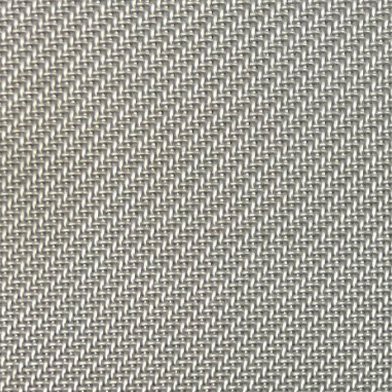
First off, what exactly is a micron filter screen? A micron filter screen is a type of filter that has very tiny holes, measured in microns. These screens are designed to trap particles of a specific size. For example, a 10 - micron filter screen will block particles that are 10 microns or larger.
Now, let's talk about coffee makers. There are different types of coffee makers out there, like drip coffee makers, French presses, and espresso machines. Each of these has its own unique way of brewing coffee, and the filtration requirements can vary.
Drip Coffee Makers
Drip coffee makers are one of the most common types. They work by pouring hot water over coffee grounds, and the brewed coffee drips through a filter into a carafe. Usually, paper filters are used in these machines. But can a micron filter screen be used instead?
The answer is yes! Using a micron filter screen in a drip coffee maker has several advantages. First of all, it's reusable. Unlike paper filters that you throw away after each use, a micron filter screen can be washed and used again and again. This is not only cost - effective but also more environmentally friendly.
Secondly, a micron filter screen can give you more control over the filtration process. You can choose a screen with the appropriate micron size depending on how fine or coarse you want your coffee to be. For a smoother coffee, you might opt for a finer micron filter screen.
However, there are also some things to consider. One issue is that the screen might need to be cleaned more frequently compared to paper filters. Coffee oils and grounds can build up on the screen, which can affect the taste of your coffee if not cleaned properly.


French Presses
French presses are another popular way to make coffee. They work by steeping coffee grounds in hot water and then pressing a plunger with a mesh filter down to separate the grounds from the brewed coffee.
In a French press, a micron filter screen can also be a great alternative. The SS Woven Wire Mesh is a good option. It can provide a more consistent filtration compared to the standard mesh in some French presses. The fine mesh of the SS Woven Wire Mesh can trap smaller coffee particles, resulting in a cleaner and less gritty cup of coffee.
But again, cleaning is crucial. After each use, you need to make sure to remove all the coffee grounds from the screen. If not, the grounds can start to mold over time, which is definitely not something you want in your coffee.
Espresso Machines
Espresso machines are a bit more complex. They use high pressure to force hot water through finely ground coffee. The filtration requirements for espresso are very specific.
A micron filter screen can work in an espresso machine, but you need to be very careful about the micron size. The Reverse Dutch Weave Wire Mesh is a great choice for espresso machines. It has a unique weave that allows for better pressure distribution and more precise filtration.
However, espresso machines are very sensitive to the quality of the filter. If the micron size is not right, it can affect the extraction process and the taste of your espresso. You might end up with an under - extracted or over - extracted shot.
Material Considerations
When it comes to micron filter screens for coffee makers, the material is also important. 316L Stainless Steel Mesh is a popular choice. It's corrosion - resistant, which is important because coffee is acidic. This means the screen won't rust or corrode over time, ensuring a long - lasting and safe filtration solution.
It's also food - grade, which is a must when it comes to anything that comes into contact with your coffee. You don't want any harmful chemicals leaching into your drink.
Cleaning and Maintenance
As I mentioned earlier, cleaning is a key factor when using a micron filter screen in a coffee maker. Here are some tips on how to clean it properly:
- Rinse immediately: After each use, rinse the screen under hot water to remove any loose coffee grounds.
- Soak in warm, soapy water: Fill a sink or a container with warm water and a small amount of mild dish soap. Let the screen soak for a few minutes to loosen any stubborn coffee oils.
- Scrub gently: Use a soft brush to gently scrub the screen. Be careful not to damage the mesh.
- Rinse thoroughly: Make sure to rinse the screen thoroughly to remove all the soap.
- Dry completely: Let the screen dry completely before using it again.
Conclusion
So, can a micron filter screen be used in a coffee maker? Absolutely! Whether it's a drip coffee maker, a French press, or an espresso machine, a micron filter screen can offer a great alternative to traditional paper filters. It's reusable, environmentally friendly, and can give you more control over the filtration process.
However, it's important to choose the right screen for your coffee maker and to maintain it properly. With the right care, a micron filter screen can provide you with delicious, high - quality coffee for a long time.
If you're interested in purchasing micron filter screens for your coffee maker, feel free to reach out to us. We have a wide range of options available, including the SS Woven Wire Mesh, Reverse Dutch Weave Wire Mesh, and 316L Stainless Steel Mesh. Let's start a conversation about how we can meet your coffee filtration needs!
References
- "The Science of Coffee Brewing", Coffee Science Journal
- "Filtration in Coffee Making", International Coffee Association Publications