Hey there! As a Nickel Wire Mesh supplier, I often get asked about the maximum temperature that nickel wire mesh can withstand. It's a crucial question, especially for industries where high temperatures are the norm. So, let's dive right into it.
Understanding Nickel Wire Mesh
First off, let's talk a bit about Nickel Wire Mesh. Nickel is a pretty amazing metal. It's corrosion-resistant, has good electrical conductivity, and is ductile, which means it can be drawn into thin wires. These properties make nickel wire mesh a popular choice in a wide range of applications, from filtration to electromagnetic shielding.
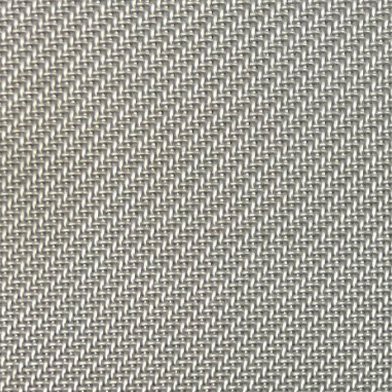
The mesh is made by weaving or welding nickel wires together. There are different types of weaves, like plain weave and twill weave. Each weave has its own characteristics and is suitable for different applications. For example, Twill Weave 60 Mesh Nickel Mesh is great for applications that require a finer filtration, while Plain Weave 40 Mesh Nickel Mesh is more commonly used in general-purpose applications.
Factors Affecting the Maximum Temperature
Now, let's get to the main question: What is the maximum temperature that nickel wire mesh can withstand? Well, it's not a straightforward answer because several factors come into play.
Purity of Nickel
The purity of the nickel used in the wire mesh is a significant factor. High-purity nickel has a higher melting point and can withstand higher temperatures. For example, commercially pure nickel (99.5% pure) has a melting point of around 1455°C (2651°F). However, if the nickel has impurities, its melting point can be lower, and it may not be able to withstand as high temperatures.
Alloying Elements
Sometimes, nickel is alloyed with other elements to enhance its properties. For instance, nickel-chromium alloys are commonly used in high-temperature applications. These alloys can have a higher maximum operating temperature compared to pure nickel. The addition of chromium improves the oxidation resistance of the nickel, allowing it to withstand higher temperatures without significant degradation.
Mesh Structure
The structure of the wire mesh also affects its temperature resistance. A denser mesh may have better heat distribution and can potentially withstand higher temperatures. However, a very dense mesh may also trap heat, which could lead to localized overheating. Additionally, the type of weave can influence how the mesh responds to heat. For example, a twill weave may have different heat transfer characteristics compared to a plain weave.
Typical Maximum Temperatures
In general, pure nickel wire mesh can withstand temperatures up to around 1000°C (1832°F) for short periods. However, for continuous use, it's recommended to keep the temperature below 800°C (1472°F) to avoid excessive oxidation and degradation of the mesh.
Nickel-chromium alloy wire mesh, on the other hand, can withstand much higher temperatures. Some nickel-chromium alloys can operate continuously at temperatures up to 1200°C (2192°F) or even higher, depending on the specific alloy composition.
Applications at High Temperatures
Nickel wire mesh is used in various high-temperature applications. Here are a few examples:


Furnace Filters
In industrial furnaces, nickel wire mesh is used as a filter to remove impurities from the hot gases. The high temperature resistance of the mesh allows it to withstand the extreme heat inside the furnace without losing its structural integrity.
Heat Exchangers
Nickel wire mesh can be used in heat exchangers to transfer heat between two fluids. The mesh provides a large surface area for heat transfer, and its ability to withstand high temperatures makes it suitable for this application.
Aerospace Industry
In the aerospace industry, nickel wire mesh is used in components that are exposed to high temperatures, such as engine parts and thermal protection systems. The high strength and temperature resistance of the mesh make it an ideal material for these critical applications.
Maintaining Nickel Wire Mesh at High Temperatures
To ensure the longevity of nickel wire mesh at high temperatures, proper maintenance is essential. Here are some tips:
Regular Inspections
Regularly inspect the mesh for signs of damage, such as corrosion or deformation. If any issues are detected, replace the mesh immediately to prevent further damage.
Cleaning
Clean the mesh regularly to remove any dirt or debris that may accumulate on the surface. This helps to maintain the heat transfer efficiency of the mesh and prevent the formation of hot spots.
Avoid Overheating
Avoid subjecting the mesh to temperatures higher than its recommended maximum operating temperature. Overheating can cause the mesh to lose its strength and integrity, leading to premature failure.
Conclusion
So, there you have it! The maximum temperature that nickel wire mesh can withstand depends on several factors, including the purity of the nickel, the presence of alloying elements, and the mesh structure. Pure nickel wire mesh can generally withstand temperatures up to around 1000°C for short periods, while nickel-chromium alloy mesh can handle much higher temperatures.
If you're in the market for high-quality nickel wire mesh for your high-temperature applications, don't hesitate to reach out. We offer a wide range of Nickel Wire Mesh products, including Twill Weave 60 Mesh Nickel Mesh and Plain Weave 40 Mesh Nickel Mesh. Contact us today to discuss your specific requirements and get a quote.
References
- ASM Handbook Volume 2: Properties and Selection: Nonferrous Alloys and Special-Purpose Materials
- Metals Handbook Desk Edition, 2nd Edition