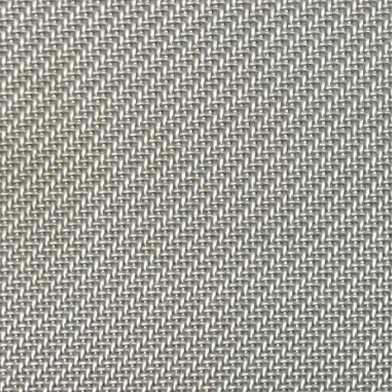
High-Efficiency Conductive Fuel Cell Mesh – Core Consumable for the New Energy Sector
Fuel cell mesh is a critical supporting product specifically developed for new energy applications, including fuel cells and hydrogen power generation. Made from high-purity stainless steel wire or special alloy wire through precision weaving, it offers excellent conductivity, corrosion resistance, breathability, and structural stability. These properties make it essential for ensuring efficient and stable fuel cell operation.
The mesh provides high conductivity, uniform gas permeability, and strong weather resistance. Compared with ordinary metal mesh, conductive losses are reduced by over 25%, while air permeability variation is controlled within ±3%, ensuring precise matching between gas diffusion and electron conduction. In addition, it resists hydrogen embrittlement and corrosion, providing a long service life under complex fuel cell operating conditions and reducing maintenance frequency and costs.

Applications
Fuel cell mesh is widely used in the new energy sector for:
Electrode support, gas diffusion, and current collection in proton exchange membrane fuel cells (PEMFCs), solid oxide fuel cells (SOFCs), and hydrogen energy storage equipment.
Fuel cell stacks for new energy vehicles, distributed hydrogen power generation stations, portable fuel cell devices, and hydrogen storage systems.
Research laboratories and testing institutions, providing reliable support for experimental work and contributing to technological innovation and industrial upgrades.
Materials and Standards
Material selection strictly follows international standards to ensure suitability for high-end applications:
Stainless steel: 316L and 304L, offering corrosion resistance and hydrogen embrittlement protection.
Special alloys: Titanium alloy and nickel alloy, optimized for high-temperature, high-pressure, and corrosive fuel cell conditions.
Production adheres to ISO 9001, ASTM B803, IEC 62282, and other international new energy industry standards. Key parameters such as material purity, conductivity, air permeability, and hydrogen embrittlement resistance are tested and certified by authoritative third-party institutions. The mesh meets industry specifications of developed countries, including Europe, the US, Japan, and South Korea, and is compatible with mainstream fuel cell models worldwide.
Specifications and Customization
|
Standard mesh sizes |
0.01 mm to 0.5 mm |
|
Mesh widths |
0.1 m to 2 m, length cut to order |
|
Wire diameters |
0.02 mm to 0.3 mm |
|
Weaving processes |
Plain weave and twill weave |
Mesh flatness and air permeability can be optimized according to different fuel cell models. Customized services include non-standard apertures, special wire diameters, irregular shapes, customized weaving processes, and surface treatments such as gold or platinum plating. The customization process follows industry technical specifications, with short delivery cycles to support rapid R&D and production needs. A professional technical team provides selection guidance and support.
OEM/ODM and Sample Provision
We provide professional OEM and ODM customization services, creating exclusive products based on customer requirements. Samples are produced and delivered prior to mass production, allowing customers to verify material, process, and specifications. Mass production begins only after confirmation, ensuring accuracy and reliability in cooperation.
Hot Tags: fuel cell mesh, China fuel cell mesh manufacturers, suppliers, factory, nickel mesh, Nickel Wire Mesh, Plain Weave 40 Mesh Nickel Mesh, Fuel Cell Mesh, Twill Weave 60 Mesh Nickel Mesh